All Categories
Featured


Motorist Advocacy: Achieving Fairness in Auto Fixes
Table of Contents
UPDATED: January 26, 2026 If your car has a damage, there are several repair options readily available, varying from do it yourself approaches to professional repair work. Minor dents can often be repaired at home with simple tools like a plunger or damage repair set. For more serious damages, paintless damage repair work (PDR) is a popular approach for bring back the vehicle without repainting.
Comprehending your choices, costs, and insurance protection can assist you make the finest choice for your vehicle. Paintless Dent Repair (PDR) is a specific technique that gets rid of dents without the requirement for repainting or utilizing fillers.
PDR is perfect for small to medium-sized dents where the paint is undamaged, such as door dings or small hail damage. It's quickly, affordable, and maintains the factory paint finish, which helps maintain your car's resale value. PDR isn't ideal for all damages. It works best when the paint is unbroken.
Yes, for very small dents, you might be able to repair the damage yourself utilizing easy, cost-effective techniques. Here are a couple of DIY strategies: A plunger can work for little, shallow dents on flat surface areas.
These kits include suction cups or glue-pulling systems created for little to medium damages. While DIY approaches are cost effective, they bring threats. Inappropriate methods can lead to more damage, such as paint scratching or producing new dents. If the damage is more than a basic ding, an expert repair work might be the very best alternative.
Consumer Advocacy: Ensuring Fairness in Vehicle Repairs
Standard repair is necessary for bigger, deeper dents or those with paint damage. This process involves sanding the broken area, using body filler, and repainting the affected panel. Here's when conventional repair is required: When the dent has actually caused the paint to split, repainting is necessary to avoid rust. For substantial damages that PDR can't resolve, traditional repair methods are required to reshape the panel.
These parts may require replacement or plastic welding. Standard repair work take longer and are more expensive than PDR, but they are the go-to service for serious damage. Both PDR and traditional repair work have their benefits. Here's a quick comparison: PDR is non-invasive and preserves the initial paint. Traditional repair work involve sanding, body filler, and new paint, which changes the car's surface.
Standard repair work can take numerous days due to the treating process of paint. A normal PDR job can vary from $50$500, depending on the dent's size, while traditional repair work can cost $1,000 or more.
Damage repair costs differ based upon the approach and seriousness of the damage: These are the most economical, with costs ranging from $0 to $50 for basic tools. PDR costs normally range from $50 for small dents to $500 for bigger ones. This approach is the most costly, with costs varying from $200 to $2,500, depending on the damage's size and area.
Easy Steps to Fix Minor Accident Damage
If your insurance coverage covers the repair work, you'll pay the deductible, and the insurer will cover the rest. Choosing whether to repair a dent yourself or employ a professional depends on the dent's size, complexity, and your convenience level with repairs. Think about the following: For small dings, DIY methods might be enough.
If you're experienced with vehicle repair work, do it yourself may work, however PDR requires finesse that specialists have. Without the right tools or skill, do it yourself approaches might aggravate the damage. DIY is more affordable but brings threats. An expert repair may cost more upfront however can save you money in the long run by preserving your automobile's worth.
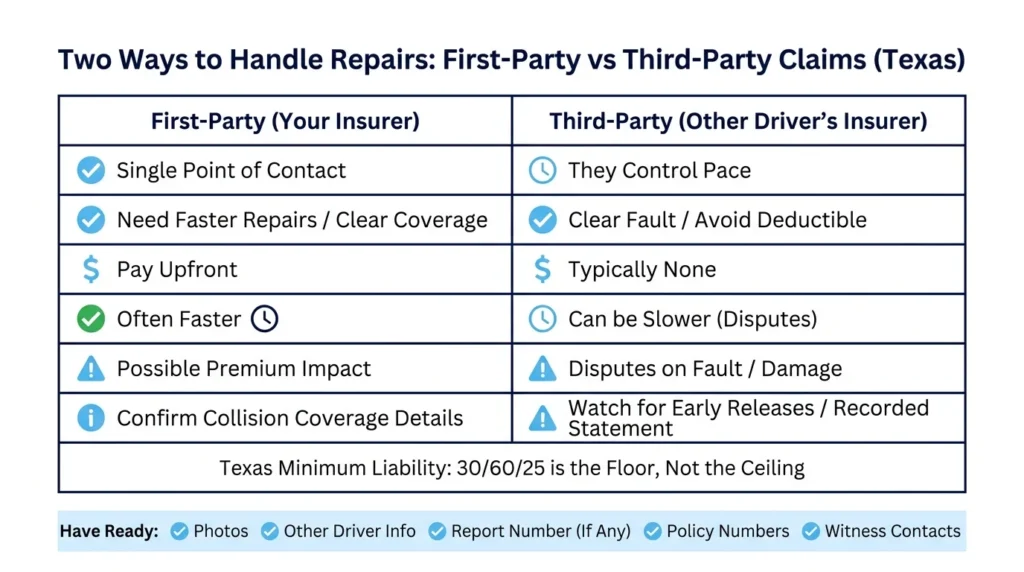
Cars and truck insurance can cover dent repair if the damage resulted from a covered event. Here's when insurance coverage might apply: Covers damages caused by a collision, whether you're at fault or not.
To guarantee you're covered for damages, consider including crash and detailed coverage to your policy. Yes however only if you have the best protection. Collision insurance covers dents from mishaps (when you struck something or somebody strikes you), and detailed insurance covers dents from non-collision occasions like hail or fallen tree branches.

Latest Posts

Choosing the Top Options Following a Collision

Informative Consumer Advocacy and Shop Standards
Restoring Minor Collision Issues Effectively