All Categories
Featured

The 2026 Collision Repair Guide: Managing the Process
Table of Contents
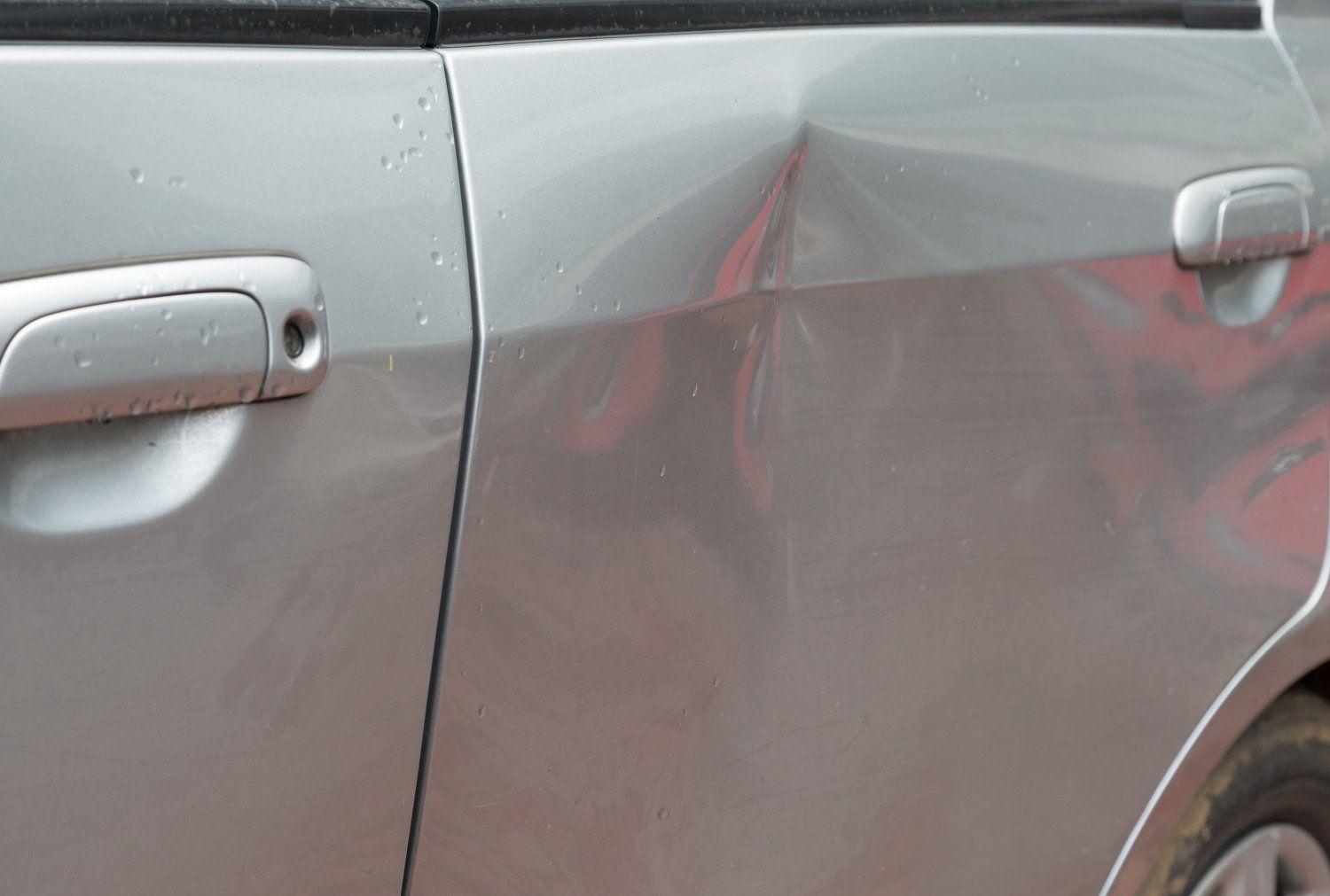
UPDATED: January 26, 2026 If your vehicle has a dent, there are numerous repair choices readily available, varying from do it yourself methods to professional repairs. Small damages can often be fixed at home with simple tools like a plunger or dent repair set. For more serious dents, paintless damage repair (PDR) is a popular method for restoring the automobile without repainting.
Understanding your options, costs, and insurance coverage can help you make the finest decision for your cars and truck. Paintless Dent Repair (PDR) is a customized strategy that removes dents without the requirement for repainting or using fillers.
PDR is ideal for little to medium-sized dents where the paint is undamaged, such as door dings or small hail damage. It's quick, cost effective, and preserves the factory paint finish, which helps maintain your automobile's resale value. Nevertheless, PDR isn't appropriate for all dents. It works best when the paint is unbroken.
Yes, for really small damages, you may be able to repair the damage yourself using basic, cost-efficient approaches. Here are a couple of Do it yourself methods: A plunger can work for small, shallow damages on flat surface areas.
These kits consist of suction cups or glue-pulling systems designed for small to medium damages. While DIY methods are budget-friendly, they carry risks. Improper techniques can cause more damage, such as paint scratching or developing new dents. If the damage is more than a simple ding, an expert repair may be the finest choice.
Evaluating Professional Dent Fixing and Standard Methods
Standard repair work is essential for larger, much deeper dents or those with paint damage. This process includes sanding the damaged area, using body filler, and repainting the affected panel. Here's when traditional repair is needed: When the dent has actually triggered the paint to break, repainting is required to prevent rust. For considerable dents that PDR can't address, traditional repair work approaches are required to improve the panel.
These parts might require replacement or plastic welding. Conventional repairs take longer and are more expensive than PDR, however they are the go-to option for extreme damage. Both PDR and conventional repair work have their benefits. Here's a fast contrast: PDR is non-invasive and protects the original paint. Standard repair work involve sanding, body filler, and new paint, which modifies the car's surface area.
Conventional repair work can take several days due to the curing process of paint. A normal PDR job can range from $50$500, depending on the dent's size, while traditional repair work can cost $1,000 or more.
Dent repair costs vary based upon the approach and seriousness of the damage: These are the most budget-friendly, with expenses varying from $0 to $50 for fundamental tools. PDR costs generally range from $50 for small damages to $500 for bigger ones. This method is the most expensive, with costs varying from $200 to $2,500, depending upon the dent's size and area.
The Crossway of SMART Tech and High-End Dent EliminationMotorist Rights: Ensuring Fairness in Auto Repairs
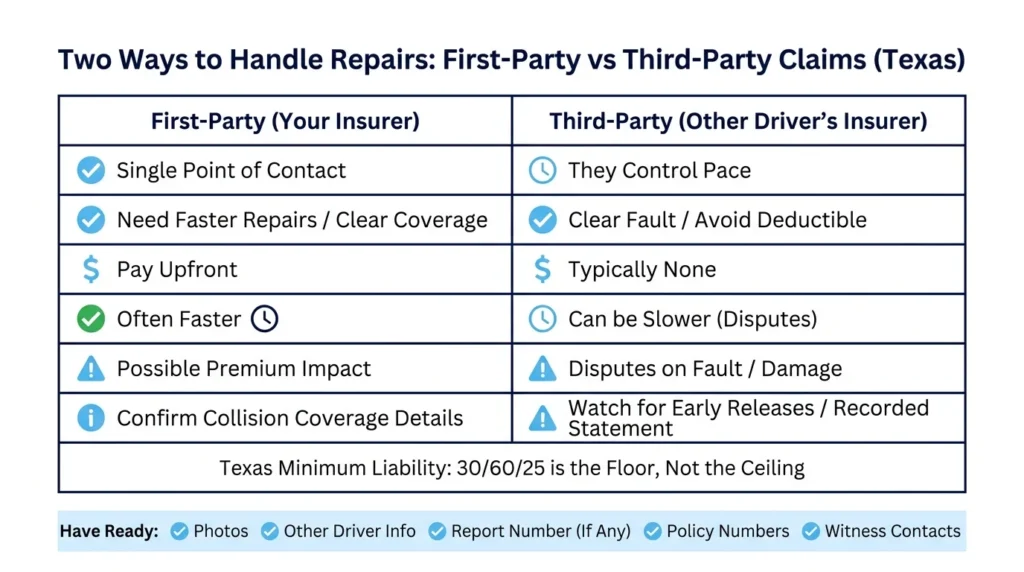
If your insurance covers the repair work, you'll pay the deductible, and the insurance provider will cover the rest. Choosing whether to repair a damage yourself or hire a professional depends upon the damage's size, complexity, and your comfort level with repair work. Consider the following: For minor dings, do it yourself techniques might be adequate.
If you're experienced with cars and truck repairs, do it yourself might work, however PDR requires skill that experts have. Without the right tools or ability, DIY methods might aggravate the damage. Do it yourself is more affordable but brings dangers. An expert repair might cost more upfront however can save you money in the long run by protecting your cars and truck's worth.
Automobile insurance coverage can cover damage repair if the damage resulted from a covered event. Here's when insurance coverage might use: Covers dents triggered by an accident, whether you're at fault or not. Covers damages from non-collision occasions like hail or falling items. Covers damages triggered by an uninsured chauffeur, if you have the coverage.
To ensure you're covered for dents, consider including crash and detailed protection to your policy. Yes however just if you have the best coverage. Collision insurance coverage covers damages from mishaps (when you hit something or somebody hits you), and detailed insurance covers dents from non-collision events like hail or fallen tree branches.

Latest Posts

Choosing the Top Options Following a Collision

Informative Consumer Advocacy and Shop Standards
Restoring Minor Collision Issues Effectively